
8 Fascinating Workforce 2.0 Trends Defining 2026
by Laura Artman, MBA
The Evolution of Work: 8 Workforce 2.0 Trends Defining 2026
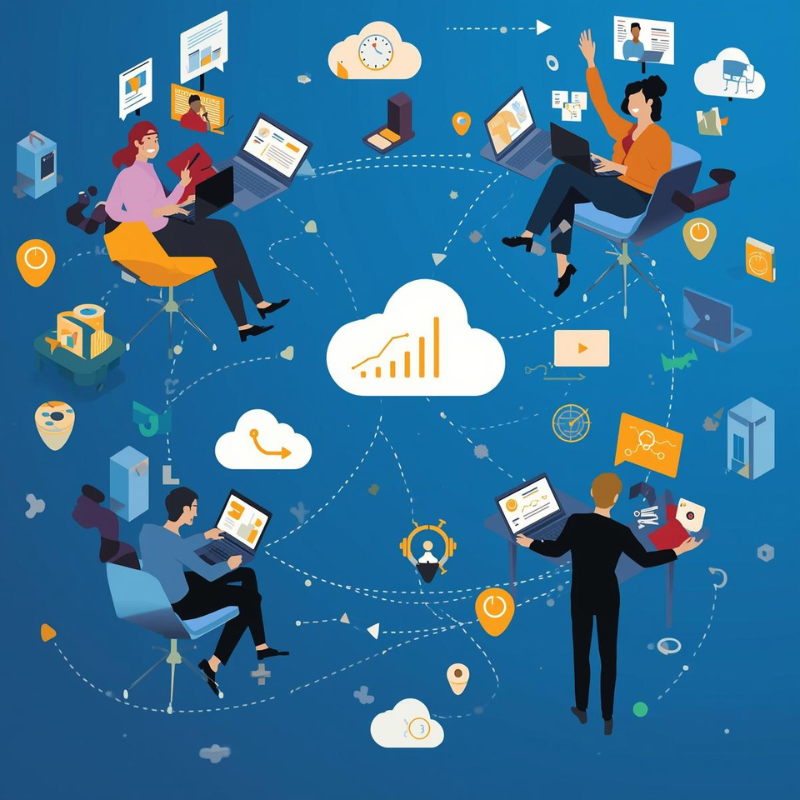
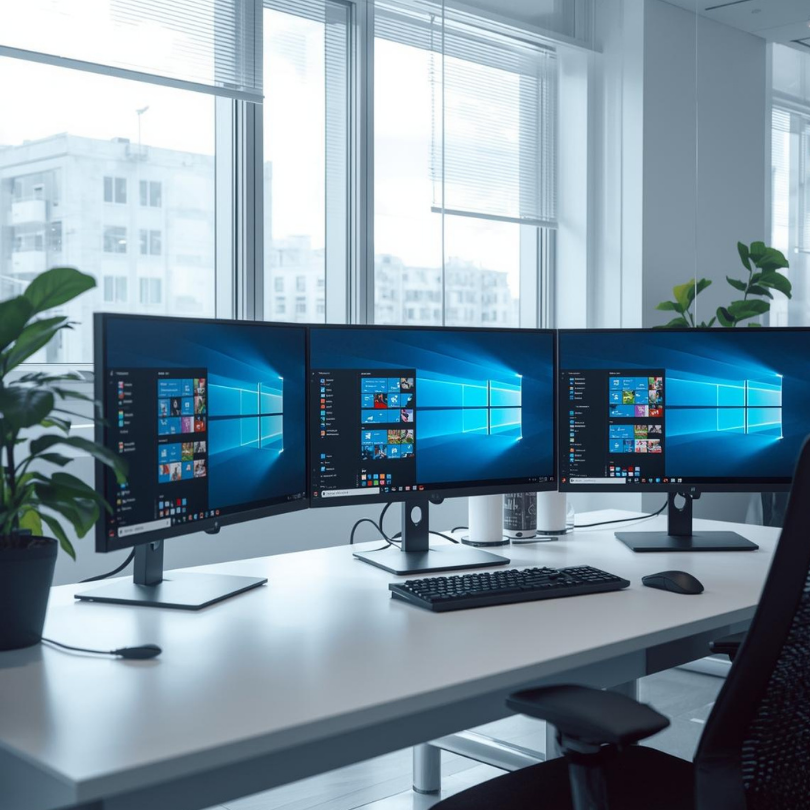
The concept of the traditional office—a fixed location, a nine-to-five schedule, and a homogenous corporate culture—has been irrevocably altered. As we move toward 2026, we are witnessing the maturation of “Workforce 2.0,” a paradigm defined by digital fluidity, decentralized talent, and a focus on human-centric outcomes over rigid processes.
Workforce 2.0 is not merely a reaction to recent global shifts; it is a proactive restructuring of how value is created. It represents a symbiotic relationship between human ingenuity and artificial intelligence, facilitated by cloud-native infrastructure and driven by a demand for purpose and flexibility.
Eight key trends expected to define Workforce 2.0 in 2026.
1. The Shift from Remote Work to Asynchronous Work
While remote work was the catalyst, asynchronous collaboration is the destination. By 2026, the obsession with real-time presence will fade. Organizations operating under Workforce 2.0 principles will prioritize output over hours logged.
Teams will rely heavily on robust documentation, video updates, and project management platforms that allow work to flow across time zones without bottlenecks. This shift reduces meeting fatigue and empowers deep work, allowing employees to design their most productive hours around their personal lives, rather than fitting life around work.
2. The Rise of the “Liquid Workforce”
The binary distinction between full-time employees and external contractors is dissolving. In 2026, the “liquid workforce” will dominate. Companies will maintain a stable core of employees surrounded by a dynamic ring of specialized freelancers, gig workers, and AI agents.
This model allows organizations to scale capacity rapidly based on project needs. For the worker, it offers autonomy and diverse experiences. For the business, it provides access to niche skills without the overhead of permanent hires, creating a more agile and resilient organizational structure.
3. AI as a Collaborative Partner, Not Just a Tool
Artificial Intelligence has moved beyond automation to become a proactive partner. In 2026, generative AI will be embedded in the daily workflows of almost every knowledge worker, acting as a co-pilot for coding, writing, data analysis, and strategic planning.
However, the focus of Workforce 2.0 is not on replacement but on augmentation. The most successful organizations will be those that train their staff to leverage AI for repetitive tasks, freeing up human cognitive capacity for complex problem-solving, emotional intelligence, and creative innovation.
4. Hyper-Personalization of the Employee Experience
The “one-size-fits-all” employee handbook is obsolete. Workforce 2.0 demands hyper-personalization, driven by data analytics and employee feedback loops.
In 2026, employee experiences will be tailored to individual preferences regarding:
- Learning and Development: Customized learning paths based on career goals and skill gaps.
- Benefits: Flexible packages where employees choose between wellness stipends, childcare support, or additional time off.
- Work Environment: Smart office tech that adjusts lighting and temperature to user preferences, or digital interfaces that adapt to individual workflows.
5. Decentralized and Distributed Decision-Making
Hierarchies are flattening. As organizations become more distributed, the speed of decision-making must increase. Workforce 2.0 in 2026 will see a significant reduction in middle management layers that previously acted as information gatekeepers.
Instead, authority is pushed to the edges—to the teams closest to the customer or the problem. This requires a high degree of trust and transparency, supported by digital tools that provide real-time visibility into project status and organizational data, enabling informed decisions without constant executive oversight.
6. Skills-Based Hiring Over Degree-Based Hiring
The talent shortage in specialized fields is forcing a re-evaluation of credentials. By 2026, the focus will shift almost entirely from “where you studied” to “what you can do.”
Organizations will utilize skills-mapping technologies to identify internal talent and scout external candidates based on verified competencies rather than resumes. This trend democratizes access to high-paying roles and encourages a culture of continuous learning, where upskilling and reskilling are integral to career progression.
7. Well-being as a Strategic Business Metric
Mental health and well-being are moving from HR initiatives to boardroom priorities. In the context of Workforce 2.0, burnout is viewed as a critical operational risk.
In 2026, companies will implement “well-being architecture” into their operations. This includes:
- Right to Disconnect: Policies that legally or culturally protect non-working hours.
- Mental Health Tech: Access to apps and virtual therapy integrated into benefits packages.
- Workload Monitoring: Using analytics to detect overworked teams before burnout occurs.
8. Immersive Collaboration (The Spatial Web)
While video calls solved the distance problem, they failed to replicate presence. In 2026, spatial computing and Virtual Reality (VR) will begin to replace standard video conferencing for complex collaborative tasks.
Workforce 2.0 will utilize immersive environments for brainstorming sessions, 3D product design reviews, and virtual onboarding. This “Spatial Web” allows distributed teams to interact with data and each other in a three-dimensional space, fostering a sense of connection and context that flat screens cannot provide.
Conclusion
The trajectory toward 2026 suggests that Workforce 2.0 is not a temporary phase but the new standard. The organizations that thrive will be those that embrace the liquid workforce, leverage AI for augmentation, and prioritize human-centric flexibility. By anticipating these trends, businesses can build a future-ready workforce that is not only productive but also resilient and engaged.
Read More:
Also Read:
Share this article
Related Posts


A quick overview of the topics covered in this article.
- Eight key trends expected to define Workforce 2.0 in 2026.
- 1. The Shift from Remote Work to Asynchronous Work
- 2. The Rise of the “Liquid Workforce”
- 3. AI as a Collaborative Partner, Not Just a Tool
- 4. Hyper-Personalization of the Employee Experience
- 5. Decentralized and Distributed Decision-Making
- 6. Skills-Based Hiring Over Degree-Based Hiring
- 7. Well-being as a Strategic Business Metric
- 8. Immersive Collaboration (The Spatial Web)
- Conclusion
Latest articles

March 4, 2026

March 4, 2026

March 4, 2026

March 4, 2026



8 Fascinating Workforce 2.0 Trends Defining 2026
The Evolution of Work: 8 Workforce 2.0 Trends Defining 2026 [...]
The Evolution of Work: 8 Workforce 2.0 Trends Defining 2026
The concept of the traditional office—a fixed location, a nine-to-five schedule, and a homogenous corporate culture—has been irrevocably altered. As we move toward 2026, we are witnessing the maturation of “Workforce 2.0,” a paradigm defined by digital fluidity, decentralized talent, and a focus on human-centric outcomes over rigid processes.
Workforce 2.0 is not merely a reaction to recent global shifts; it is a proactive restructuring of how value is created. It represents a symbiotic relationship between human ingenuity and artificial intelligence, facilitated by cloud-native infrastructure and driven by a demand for purpose and flexibility.
Eight key trends expected to define Workforce 2.0 in 2026.
1. The Shift from Remote Work to Asynchronous Work
While remote work was the catalyst, asynchronous collaboration is the destination. By 2026, the obsession with real-time presence will fade. Organizations operating under Workforce 2.0 principles will prioritize output over hours logged.
Teams will rely heavily on robust documentation, video updates, and project management platforms that allow work to flow across time zones without bottlenecks. This shift reduces meeting fatigue and empowers deep work, allowing employees to design their most productive hours around their personal lives, rather than fitting life around work.
2. The Rise of the “Liquid Workforce”
The binary distinction between full-time employees and external contractors is dissolving. In 2026, the “liquid workforce” will dominate. Companies will maintain a stable core of employees surrounded by a dynamic ring of specialized freelancers, gig workers, and AI agents.
This model allows organizations to scale capacity rapidly based on project needs. For the worker, it offers autonomy and diverse experiences. For the business, it provides access to niche skills without the overhead of permanent hires, creating a more agile and resilient organizational structure.
3. AI as a Collaborative Partner, Not Just a Tool
Artificial Intelligence has moved beyond automation to become a proactive partner. In 2026, generative AI will be embedded in the daily workflows of almost every knowledge worker, acting as a co-pilot for coding, writing, data analysis, and strategic planning.
However, the focus of Workforce 2.0 is not on replacement but on augmentation. The most successful organizations will be those that train their staff to leverage AI for repetitive tasks, freeing up human cognitive capacity for complex problem-solving, emotional intelligence, and creative innovation.
4. Hyper-Personalization of the Employee Experience
The “one-size-fits-all” employee handbook is obsolete. Workforce 2.0 demands hyper-personalization, driven by data analytics and employee feedback loops.
In 2026, employee experiences will be tailored to individual preferences regarding:
- Learning and Development: Customized learning paths based on career goals and skill gaps.
- Benefits: Flexible packages where employees choose between wellness stipends, childcare support, or additional time off.
- Work Environment: Smart office tech that adjusts lighting and temperature to user preferences, or digital interfaces that adapt to individual workflows.
5. Decentralized and Distributed Decision-Making
Hierarchies are flattening. As organizations become more distributed, the speed of decision-making must increase. Workforce 2.0 in 2026 will see a significant reduction in middle management layers that previously acted as information gatekeepers.
Instead, authority is pushed to the edges—to the teams closest to the customer or the problem. This requires a high degree of trust and transparency, supported by digital tools that provide real-time visibility into project status and organizational data, enabling informed decisions without constant executive oversight.
6. Skills-Based Hiring Over Degree-Based Hiring
The talent shortage in specialized fields is forcing a re-evaluation of credentials. By 2026, the focus will shift almost entirely from “where you studied” to “what you can do.”
Organizations will utilize skills-mapping technologies to identify internal talent and scout external candidates based on verified competencies rather than resumes. This trend democratizes access to high-paying roles and encourages a culture of continuous learning, where upskilling and reskilling are integral to career progression.
7. Well-being as a Strategic Business Metric
Mental health and well-being are moving from HR initiatives to boardroom priorities. In the context of Workforce 2.0, burnout is viewed as a critical operational risk.
In 2026, companies will implement “well-being architecture” into their operations. This includes:
- Right to Disconnect: Policies that legally or culturally protect non-working hours.
- Mental Health Tech: Access to apps and virtual therapy integrated into benefits packages.
- Workload Monitoring: Using analytics to detect overworked teams before burnout occurs.
8. Immersive Collaboration (The Spatial Web)
While video calls solved the distance problem, they failed to replicate presence. In 2026, spatial computing and Virtual Reality (VR) will begin to replace standard video conferencing for complex collaborative tasks.
Workforce 2.0 will utilize immersive environments for brainstorming sessions, 3D product design reviews, and virtual onboarding. This “Spatial Web” allows distributed teams to interact with data and each other in a three-dimensional space, fostering a sense of connection and context that flat screens cannot provide.
Conclusion
The trajectory toward 2026 suggests that Workforce 2.0 is not a temporary phase but the new standard. The organizations that thrive will be those that embrace the liquid workforce, leverage AI for augmentation, and prioritize human-centric flexibility. By anticipating these trends, businesses can build a future-ready workforce that is not only productive but also resilient and engaged.
Read More:
Also Read:
A quick overview of the topics covered in this article.
- Eight key trends expected to define Workforce 2.0 in 2026.
- 1. The Shift from Remote Work to Asynchronous Work
- 2. The Rise of the “Liquid Workforce”
- 3. AI as a Collaborative Partner, Not Just a Tool
- 4. Hyper-Personalization of the Employee Experience
- 5. Decentralized and Distributed Decision-Making
- 6. Skills-Based Hiring Over Degree-Based Hiring
- 7. Well-being as a Strategic Business Metric
- 8. Immersive Collaboration (The Spatial Web)
- Conclusion
Latest articles
March 4, 2026