

Understanding Subluxation: Causes, Contributors, and Solutions
by Laura Artman, MBA
Understanding Subluxation: Causes, Symptoms, and Pathways to Relief
In the realm of musculoskeletal health and chiropractic care, few terms are as frequently discussed—or as frequently misunderstood—as “subluxation.” While the word itself may sound clinical and complex, the concept is fundamental to how our bodies maintain alignment, mobility, and overall nervous system function.
For many, subluxation is simply a synonym for a “slipped disc” or a minor dislocation. However, in professional healthcare contexts, particularly within chiropractic philosophy, it represents a much broader spectrum of spinal dysfunction. Understanding what subluxation is, what causes it, and how it is addressed is essential for anyone seeking to maintain long-term spinal health.
Defining Subluxation
To understand subluxation, we must first distinguish it from a complete dislocation. A dislocation occurs when the ends of two bones are forced from their normal position, resulting in significant injury to ligaments, tendons, and surrounding tissues. A subluxation, by contrast, is a partial or incomplete misalignment of the vertebrae in the spinal column.
While a subluxation may involve a slight shift in the position of a vertebra, its more critical impact often involves the nervous system. The spine houses and protects the spinal cord—the main communication highway between the brain and the rest of the body. When vertebrae misalign, they can create mechanical pressure or chemical irritation on nearby nerve roots. This interference can disrupt the transmission of nerve signals, potentially affecting organ function, muscle tone, and sensory perception.
It is important to note that subluxations are not always immediately visible on standard X-rays, and they do not always present with severe pain. They are often characterized by subtle changes in joint motion and function.
Common Causes of Subluxation
Subluxations rarely occur without a cause, though the trigger can range from acute trauma to chronic lifestyle habits. Identifying the root cause is a crucial step in both treatment and prevention.
1. Physical Trauma and Injury The most obvious cause of subluxation is physical trauma. This includes high-impact events such as:
- Auto accidents: Whiplash injuries can force the cervical spine out of alignment.
- Sports injuries: Contact sports or repetitive motion activities can jar the spine.
- Slips and falls: A sudden impact can misalign vertebrae even without a fracture.
2. Poor Posture and Ergonomics In the modern digital age, postural stress is a leading cause of subluxation. “Tech neck,” or forward head posture, places immense strain on the cervical spine. Sitting for prolonged periods, especially with poor ergonomics at a desk, can gradually shift the vertebrae out of their neutral alignment.
3. Repetitive Stress Repetitive movements—whether from manual labor, typing, or even sleeping in the same position every night—can create micro-traumas to the spine. Over time, these repetitive stresses wear down the structural integrity of the spinal joints.
4. Emotional and Chemical Stress While less intuitive, chronic stress can contribute to subluxation. High levels of emotional stress trigger the “fight or flight” response, causing muscles to tighten and pull the spine out of alignment. Additionally, chemical toxins (such as alcohol or poor nutrition) can weaken the body’s ability to repair damaged tissues, making the spine more susceptible to misalignment.
Symptoms and Signs
Because the spine is central to the nervous system, subluxations can manifest in various ways, not just as localized back pain. While pain is a common symptom, it is not the only one. Patients may experience:
- Localized tenderness or stiffness: The muscles surrounding the misaligned vertebra often tighten to protect the area.
- Radiating pain: Nerve compression can cause pain, numbness, or tingling that travels down the arms or legs (sciatica).
- Reduced range of motion: Difficulty turning the head or bending forward.
- Non-musculoskeletal symptoms: Some patients report headaches, fatigue, or even digestive issues, as nerve interference can impact organ function.
Pathways to Cure and Management
Treating subluxation requires a holistic approach that addresses both the structural misalignment and the underlying causes. The goal is to restore proper motion and reduce nerve interference.
1. Chiropractic Adjustments The primary treatment for subluxation is spinal manipulation, commonly known as an adjustment. Chiropractors use specific, controlled force to realign the vertebrae. This restores joint mobility, reduces inflammation, and alleviates pressure on the nerves. Regular adjustments can help correct the mechanical dysfunction before it leads to chronic degeneration.
2. Physical Therapy and Rehabilitation Once the vertebrae are realigned, stabilizing the spine is essential. Physical therapy focuses on strengthening the core and supporting muscles (such as the erector spinae and abdominals). A strong muscular framework helps hold the vertebrae in their correct position, preventing future subluxations.
3. Lifestyle Modifications Addressing the root cause is vital for a long-term cure. This includes:
- Ergonomic adjustments: Setting up workstations to support neutral spine alignment.
- Postural awareness: Consciously correcting posture throughout the day.
- Stress management: Incorporating relaxation techniques to reduce muscle tension.
4. Supportive Care In acute cases, supportive therapies may be used to manage pain and inflammation. These can include massage therapy to relax tight muscles, heat or ice therapy, and anti-inflammatory measures. However, these are generally considered adjuncts to structural correction rather than cures in themselves.
Prevention Strategies
Preventing subluxation is often easier than treating it. A proactive approach to spinal health involves a combination of movement, strength, and awareness.
- Regular Movement: Avoid staying in one position for too long. Take breaks to stretch and walk, especially if you have a sedentary job.
- Core Strengthening: Engage in exercises that strengthen the core muscles, which act as a natural corset for the spine.
- Proper Lifting Mechanics: Always lift heavy objects using the legs, not the back, keeping the load close to the body.
- Hydration and Nutrition: The intervertebral discs require water and nutrients to stay plump and healthy. Staying hydrated supports spinal disc health.
Conclusion
Subluxation is more than just a “crick in the neck” or a sore back; it is a functional impairment of the spine that can have far-reaching effects on the nervous system. While the causes are varied—ranging from acute accidents to chronic poor posture—the solutions are accessible. Through a combination of professional chiropractic care, targeted physical rehabilitation, and mindful lifestyle changes, subluxations can be corrected and prevented.
By viewing the spine as a dynamic, interconnected system rather than a static structure, individuals can take meaningful steps toward lasting spinal health and overall well-being. If you suspect you have a spinal subluxation, consult with a qualified healthcare professional to develop a tailored treatment plan.
Read More:
More Lumbar Health
Chiropractic Care
Also Read:
Share this article
Related Posts




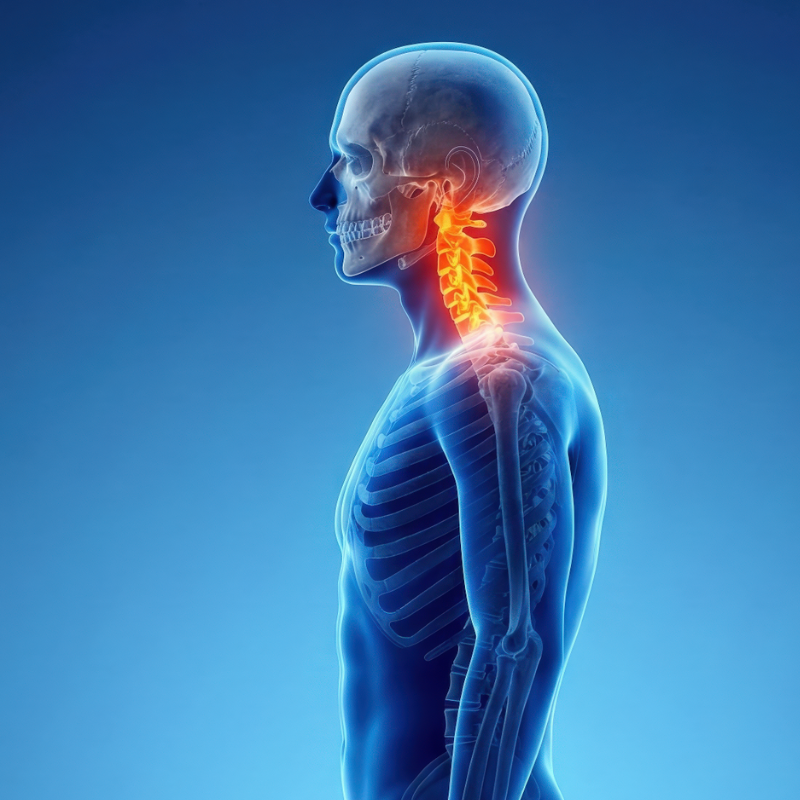
A quick overview of the topics covered in this article.
Latest articles

May 6, 2026






Understanding Subluxation: Causes, Contributors, and Solutions
Understanding Subluxation: Causes, Symptoms, and Pathways to Relief In the [...]
Understanding Subluxation: Causes, Symptoms, and Pathways to Relief
In the realm of musculoskeletal health and chiropractic care, few terms are as frequently discussed—or as frequently misunderstood—as “subluxation.” While the word itself may sound clinical and complex, the concept is fundamental to how our bodies maintain alignment, mobility, and overall nervous system function.
For many, subluxation is simply a synonym for a “slipped disc” or a minor dislocation. However, in professional healthcare contexts, particularly within chiropractic philosophy, it represents a much broader spectrum of spinal dysfunction. Understanding what subluxation is, what causes it, and how it is addressed is essential for anyone seeking to maintain long-term spinal health.
Defining Subluxation
To understand subluxation, we must first distinguish it from a complete dislocation. A dislocation occurs when the ends of two bones are forced from their normal position, resulting in significant injury to ligaments, tendons, and surrounding tissues. A subluxation, by contrast, is a partial or incomplete misalignment of the vertebrae in the spinal column.
While a subluxation may involve a slight shift in the position of a vertebra, its more critical impact often involves the nervous system. The spine houses and protects the spinal cord—the main communication highway between the brain and the rest of the body. When vertebrae misalign, they can create mechanical pressure or chemical irritation on nearby nerve roots. This interference can disrupt the transmission of nerve signals, potentially affecting organ function, muscle tone, and sensory perception.
It is important to note that subluxations are not always immediately visible on standard X-rays, and they do not always present with severe pain. They are often characterized by subtle changes in joint motion and function.
Common Causes of Subluxation
Subluxations rarely occur without a cause, though the trigger can range from acute trauma to chronic lifestyle habits. Identifying the root cause is a crucial step in both treatment and prevention.
1. Physical Trauma and Injury The most obvious cause of subluxation is physical trauma. This includes high-impact events such as:
- Auto accidents: Whiplash injuries can force the cervical spine out of alignment.
- Sports injuries: Contact sports or repetitive motion activities can jar the spine.
- Slips and falls: A sudden impact can misalign vertebrae even without a fracture.
2. Poor Posture and Ergonomics In the modern digital age, postural stress is a leading cause of subluxation. “Tech neck,” or forward head posture, places immense strain on the cervical spine. Sitting for prolonged periods, especially with poor ergonomics at a desk, can gradually shift the vertebrae out of their neutral alignment.
3. Repetitive Stress Repetitive movements—whether from manual labor, typing, or even sleeping in the same position every night—can create micro-traumas to the spine. Over time, these repetitive stresses wear down the structural integrity of the spinal joints.
4. Emotional and Chemical Stress While less intuitive, chronic stress can contribute to subluxation. High levels of emotional stress trigger the “fight or flight” response, causing muscles to tighten and pull the spine out of alignment. Additionally, chemical toxins (such as alcohol or poor nutrition) can weaken the body’s ability to repair damaged tissues, making the spine more susceptible to misalignment.
Symptoms and Signs
Because the spine is central to the nervous system, subluxations can manifest in various ways, not just as localized back pain. While pain is a common symptom, it is not the only one. Patients may experience:
- Localized tenderness or stiffness: The muscles surrounding the misaligned vertebra often tighten to protect the area.
- Radiating pain: Nerve compression can cause pain, numbness, or tingling that travels down the arms or legs (sciatica).
- Reduced range of motion: Difficulty turning the head or bending forward.
- Non-musculoskeletal symptoms: Some patients report headaches, fatigue, or even digestive issues, as nerve interference can impact organ function.
Pathways to Cure and Management
Treating subluxation requires a holistic approach that addresses both the structural misalignment and the underlying causes. The goal is to restore proper motion and reduce nerve interference.
1. Chiropractic Adjustments The primary treatment for subluxation is spinal manipulation, commonly known as an adjustment. Chiropractors use specific, controlled force to realign the vertebrae. This restores joint mobility, reduces inflammation, and alleviates pressure on the nerves. Regular adjustments can help correct the mechanical dysfunction before it leads to chronic degeneration.
2. Physical Therapy and Rehabilitation Once the vertebrae are realigned, stabilizing the spine is essential. Physical therapy focuses on strengthening the core and supporting muscles (such as the erector spinae and abdominals). A strong muscular framework helps hold the vertebrae in their correct position, preventing future subluxations.
3. Lifestyle Modifications Addressing the root cause is vital for a long-term cure. This includes:
- Ergonomic adjustments: Setting up workstations to support neutral spine alignment.
- Postural awareness: Consciously correcting posture throughout the day.
- Stress management: Incorporating relaxation techniques to reduce muscle tension.
4. Supportive Care In acute cases, supportive therapies may be used to manage pain and inflammation. These can include massage therapy to relax tight muscles, heat or ice therapy, and anti-inflammatory measures. However, these are generally considered adjuncts to structural correction rather than cures in themselves.
Prevention Strategies
Preventing subluxation is often easier than treating it. A proactive approach to spinal health involves a combination of movement, strength, and awareness.
- Regular Movement: Avoid staying in one position for too long. Take breaks to stretch and walk, especially if you have a sedentary job.
- Core Strengthening: Engage in exercises that strengthen the core muscles, which act as a natural corset for the spine.
- Proper Lifting Mechanics: Always lift heavy objects using the legs, not the back, keeping the load close to the body.
- Hydration and Nutrition: The intervertebral discs require water and nutrients to stay plump and healthy. Staying hydrated supports spinal disc health.
Conclusion
Subluxation is more than just a “crick in the neck” or a sore back; it is a functional impairment of the spine that can have far-reaching effects on the nervous system. While the causes are varied—ranging from acute accidents to chronic poor posture—the solutions are accessible. Through a combination of professional chiropractic care, targeted physical rehabilitation, and mindful lifestyle changes, subluxations can be corrected and prevented.
By viewing the spine as a dynamic, interconnected system rather than a static structure, individuals can take meaningful steps toward lasting spinal health and overall well-being. If you suspect you have a spinal subluxation, consult with a qualified healthcare professional to develop a tailored treatment plan.
Read More:
More Lumbar Health
Chiropractic Care
Also Read:
A quick overview of the topics covered in this article.