
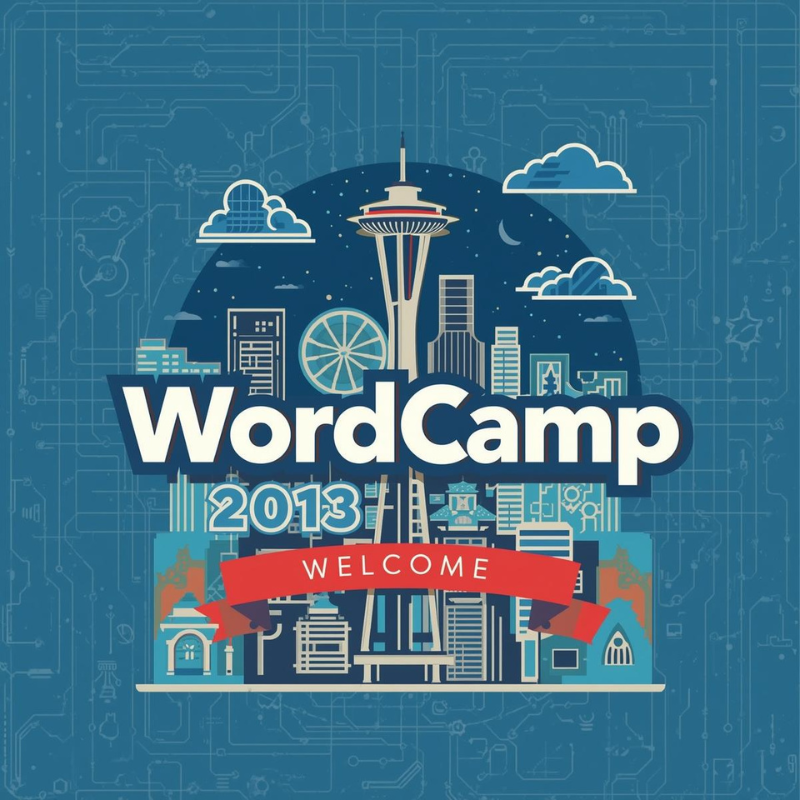
Seattle WordCamp 2013 at University of Washington
by Laura Artman, MBA
I am excited to attend this year’s wordcamp, Seattle wordcamp 2013. I’ve been fortunate enough to attend a wordcamp in San Francisco, but this will be my first time attending a wordcamp in Seattle—and my first time speaking at wordcamp as well. As a seasoned DrupalCamp speaker, stepping onto the stage at wordcamp feels like a natural and exciting next step. I’m looking forward to getting even more involved in the WordPress community and contributing to the conversations that help shape it.
Seattle wordcamp 2013 will be held at the beautiful University of Washington on June 8th. The setting alone makes this wordcamp special. The University of Washington campus provides a vibrant academic atmosphere that perfectly matches the collaborative and educational spirit that defines every wordcamp event. Developers, designers, business owners, bloggers, and digital strategists will gather for a full day of learning, networking, and inspiration.
Over the last few years, my professional focus has shifted more toward WordPress than Drupal. While I continue to appreciate the power and flexibility of Drupal, the reality is that most of my clients are private practices—medical professionals, consultants, and small business owners—whose needs are best met with WordPress. WordPress tends to be easier to style, easier to develop, and much easier for clients to manage on their own once the project is complete. It offers a balance of flexibility and usability that makes it ideal for entrepreneurs who need a strong web presence without unnecessary complexity.
From a business standpoint, WordPress is also significantly more affordable. Development time is often shorter, maintenance is simpler, and the ecosystem of themes and plugins allows for cost-effective customization. These practical advantages are part of why events like wordcamp continue to grow in popularity. The WordPress community thrives because the platform empowers both developers and end users.
At Seattle wordcamp 2013, I will be speaking as part of a panel titled “Building a Community with WordPress.” This opportunity grew out of a presentation I delivered at Drupal Camp LA called “Huff, Puff, and Webonomics.” In that talk, I explored the business models and growth strategies behind two remarkably successful online properties: The Huffington Post and Weedmaps.
The Huffington Post, founded by Arianna Huffington in 2005, began as a commentary-driven news outlet and rapidly grew into a major digital media force. By 2011, it was acquired for $315 million, demonstrating the enormous value that can be created through content, community engagement, and scalable publishing platforms. Its success illustrates how digital communities—when cultivated strategically—can become powerful economic engines.
Weedmaps, though less widely known outside its target audience, provides another compelling example. The platform serves as an informational hub and community forum for individuals seeking information about cannabis dispensaries, physicians, and related services. By generating approximately $1.5 million per month in listing fees and attracting around 50,000 visitors per day, Weedmaps demonstrates how niche communities can produce substantial recurring revenue when the value proposition is clear and consistent.
In my session at wordcamp, we will discuss what these examples teach us about building and sustaining online communities. How do you create content that draws people in? How do you design a user experience that encourages participation? How do you move from traffic to loyalty—and from loyalty to revenue? These are questions every entrepreneur, blogger, and developer should consider.
One of the most exciting aspects of wordcamp is the accessibility of knowledge. Whether you are a seasoned developer, a freelancer growing your client base, or a small business owner building your first website, there is something for everyone. The conversations that happen in hallways, over coffee, and during Q&A sessions often spark ideas that transform businesses.
If you’re interested in learning more about building digital communities, monetizing content, and leveraging WordPress effectively, I encourage you to attend my panel at Seattle wordcamp 2013. And if you’d like more information about the event itself, explore the demographics and session details on the official wordcamp Seattle website.
I’m honored to be part of this year’s event and excited to contribute to the growing WordPress ecosystem. Seattle wordcamp 2013 promises to be an energizing gathering of creative minds, practical builders, and visionary thinkers—and I look forward to seeing you there.
Share this article
Related Posts



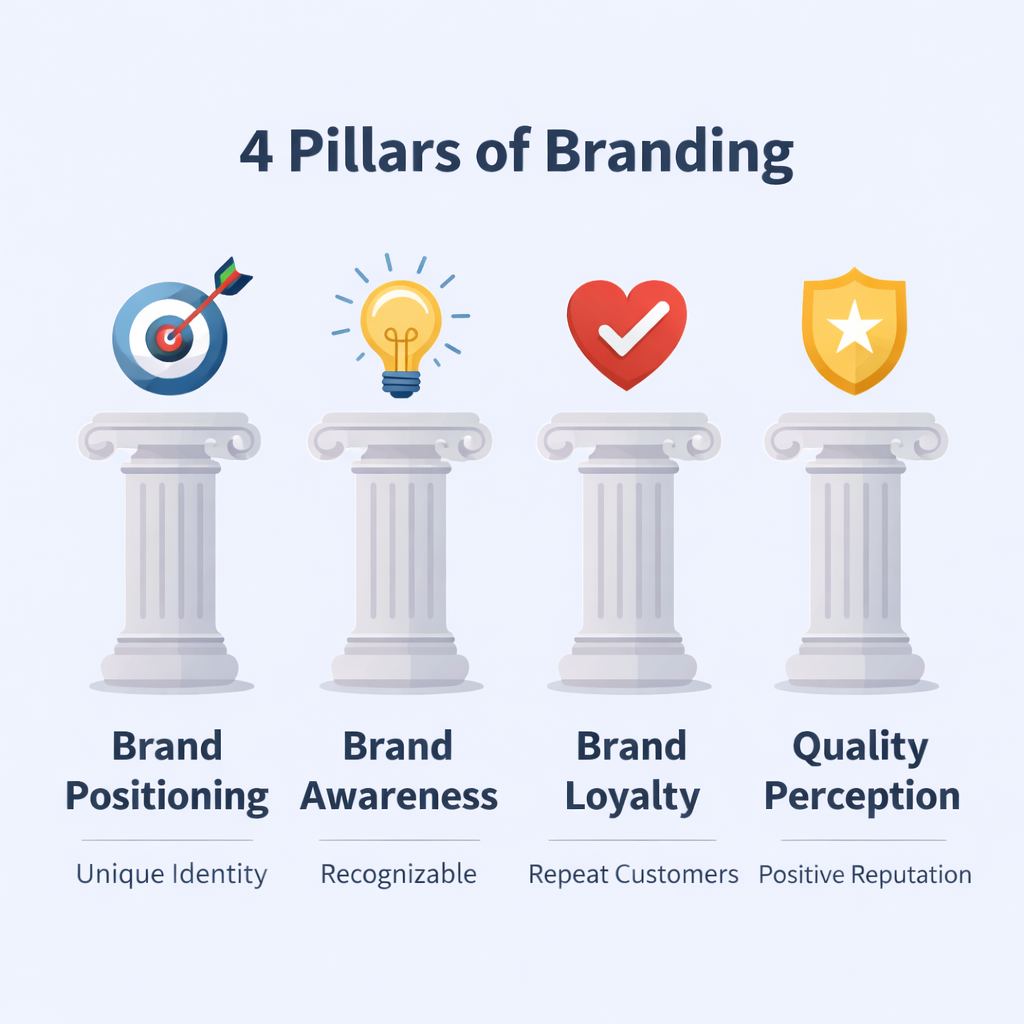
A quick overview of the topics covered in this article.
Latest articles

March 4, 2026

March 4, 2026

March 4, 2026

March 4, 2026



Seattle WordCamp 2013 at University of Washington
I am excited to attend this year's Seattle WordCamp 2013. I've been lucky enough to attend WordCamp in SF, but this is the first time in Seattle.
I am excited to attend this year’s wordcamp, Seattle wordcamp 2013. I’ve been fortunate enough to attend a wordcamp in San Francisco, but this will be my first time attending a wordcamp in Seattle—and my first time speaking at wordcamp as well. As a seasoned DrupalCamp speaker, stepping onto the stage at wordcamp feels like a natural and exciting next step. I’m looking forward to getting even more involved in the WordPress community and contributing to the conversations that help shape it.
Seattle wordcamp 2013 will be held at the beautiful University of Washington on June 8th. The setting alone makes this wordcamp special. The University of Washington campus provides a vibrant academic atmosphere that perfectly matches the collaborative and educational spirit that defines every wordcamp event. Developers, designers, business owners, bloggers, and digital strategists will gather for a full day of learning, networking, and inspiration.
Over the last few years, my professional focus has shifted more toward WordPress than Drupal. While I continue to appreciate the power and flexibility of Drupal, the reality is that most of my clients are private practices—medical professionals, consultants, and small business owners—whose needs are best met with WordPress. WordPress tends to be easier to style, easier to develop, and much easier for clients to manage on their own once the project is complete. It offers a balance of flexibility and usability that makes it ideal for entrepreneurs who need a strong web presence without unnecessary complexity.
From a business standpoint, WordPress is also significantly more affordable. Development time is often shorter, maintenance is simpler, and the ecosystem of themes and plugins allows for cost-effective customization. These practical advantages are part of why events like wordcamp continue to grow in popularity. The WordPress community thrives because the platform empowers both developers and end users.
At Seattle wordcamp 2013, I will be speaking as part of a panel titled “Building a Community with WordPress.” This opportunity grew out of a presentation I delivered at Drupal Camp LA called “Huff, Puff, and Webonomics.” In that talk, I explored the business models and growth strategies behind two remarkably successful online properties: The Huffington Post and Weedmaps.
The Huffington Post, founded by Arianna Huffington in 2005, began as a commentary-driven news outlet and rapidly grew into a major digital media force. By 2011, it was acquired for $315 million, demonstrating the enormous value that can be created through content, community engagement, and scalable publishing platforms. Its success illustrates how digital communities—when cultivated strategically—can become powerful economic engines.
Weedmaps, though less widely known outside its target audience, provides another compelling example. The platform serves as an informational hub and community forum for individuals seeking information about cannabis dispensaries, physicians, and related services. By generating approximately $1.5 million per month in listing fees and attracting around 50,000 visitors per day, Weedmaps demonstrates how niche communities can produce substantial recurring revenue when the value proposition is clear and consistent.
In my session at wordcamp, we will discuss what these examples teach us about building and sustaining online communities. How do you create content that draws people in? How do you design a user experience that encourages participation? How do you move from traffic to loyalty—and from loyalty to revenue? These are questions every entrepreneur, blogger, and developer should consider.
One of the most exciting aspects of wordcamp is the accessibility of knowledge. Whether you are a seasoned developer, a freelancer growing your client base, or a small business owner building your first website, there is something for everyone. The conversations that happen in hallways, over coffee, and during Q&A sessions often spark ideas that transform businesses.
If you’re interested in learning more about building digital communities, monetizing content, and leveraging WordPress effectively, I encourage you to attend my panel at Seattle wordcamp 2013. And if you’d like more information about the event itself, explore the demographics and session details on the official wordcamp Seattle website.
I’m honored to be part of this year’s event and excited to contribute to the growing WordPress ecosystem. Seattle wordcamp 2013 promises to be an energizing gathering of creative minds, practical builders, and visionary thinkers—and I look forward to seeing you there.
A quick overview of the topics covered in this article.
Latest articles
March 4, 2026